Namibia
World Rank: #29
825,615 km²

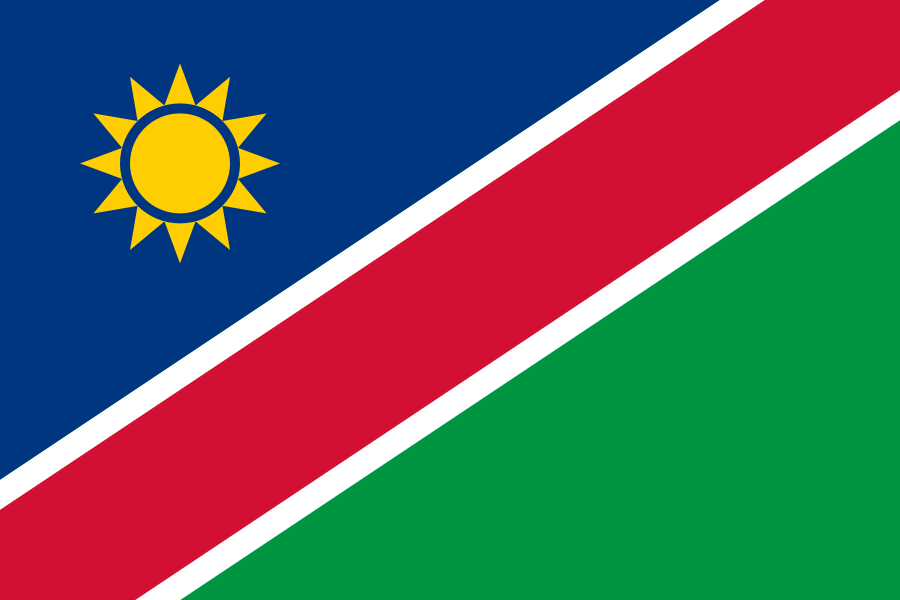


Namibia: The Vast Desert Nation That Will Stun You With Its Scale
Namibia ranks as the twenty-ninth largest country in the world with a territory of 825,615 square kilometers (318,772 square miles). This enormous Southwest African nation is the continent’s fifteenth-largest country, yet its true scale remains dramatically underappreciated in global consciousness. What’s truly astonishing is that Namibia’s massive expanse could contain France and the United Kingdom combined—essentially swallowing two of Europe’s most influential nations with room to spare.
What makes Namibia’s geography extraordinary is not just its size but its stark emptiness. With a population of just 2.6 million, Namibia is the second most sparsely populated country in the world (after Mongolia), with vast stretches of unspoiled desert, savanna, and rugged mountains. This combination of enormous size and minimal human impact has created landscapes of breathtaking scale and pristine beauty.
Located between approximately 17° and 29° South latitude, Namibia experiences moderate distortion on standard Mercator projection maps. While this distortion is not as extreme as for countries at higher latitudes, the psychological tendency to underestimate African countries’ dimensions has contributed to widespread misconceptions about Namibia’s true size and geographic significance.
Watch Namibia shrink to its actual size as we move it toward the equator. We compare it to the USA, Europe, Africa, Greenland, Brazil, Australia, Russia, India, China, etc. You can use this country size comparison interactive map here.
Namibia’s True Size Will Leave You Speechless: Global Perspective
To truly grasp Namibia’s dimensions, these direct comparisons with familiar countries and regions provide eye-opening context:

Namibia vs. Western Europe: Namibia would completely engulf several major European powers combined
| Comparison | Area (km²) | Size Relative to Namibia |
|---|---|---|
| Namibia | 825,615 | 1.0 |
| France and United Kingdom combined | ~786,000 | ~0.95 times Namibia’s size |
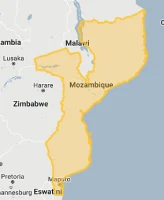
| Mozambique | 799,380 | 0.97 times Namibia’s size |
| Texas and Oklahoma combined (US states) | ~820,000 | ~0.99 times Namibia’s size |
| Germany, Italy, and Austria combined | ~799,000 | ~0.97 times Namibia’s size |
5 Mind-Blowing Namibia Size Comparisons You’ve Never Seen
- Namibia vs. United States: Namibia is approximately 1.3 times the size of Texas. If placed over the eastern United States, it would stretch from New York to South Carolina and west to Tennessee.

- Namibia vs. Western Europe: Namibia could contain France, the United Kingdom, Switzerland, Belgium, and the Netherlands combined.
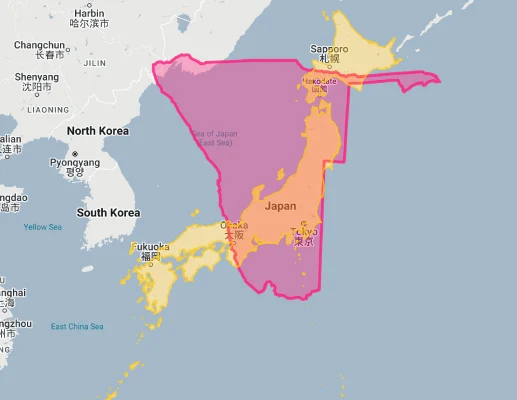
- Namibia vs. Japan: Namibia is approximately 2.2 times larger than Japan, despite Japan having a population 48 times greater.
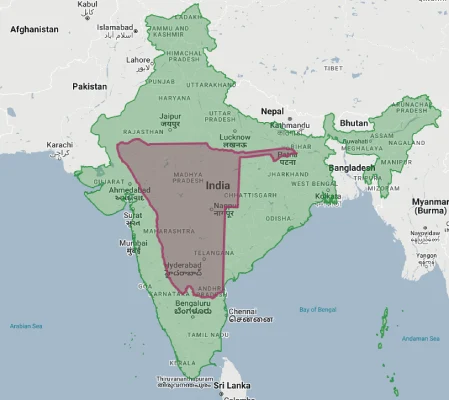
- Namibia vs. India:
- Namibia vs. Australia:

Namibia’s Geographic Diversity: Four Distinct Regions
Namibia’s territory encompasses remarkable environmental diversity:
- The Namib Desert: One of the world’s oldest deserts, stretching along the entire Atlantic coast for 1,600 kilometers (1,000 miles) and extending 80-200 kilometers (50-125 miles) inland
- The Central Plateau: A highland area covering much of central Namibia, with elevations ranging from 1,000 to 2,000 meters (3,300 to 6,600 feet)
- The Kalahari Desert: An extensive semi-arid sandy savanna spanning eastern Namibia and extending into neighboring countries
- The Bushveld: The more densely vegetated northeastern region, including the Caprivi Strip, with higher rainfall and subtropical characteristics
- Atlantic Coastline: Namibia possesses approximately 1,572 kilometers (977 miles) of coastline along the Atlantic Ocean, known as the Skeleton Coast due to numerous shipwrecks
The Namib Desert: Earth’s Oldest Desert
The Namib Desert forms one of the world’s most remarkable arid landscapes:
- Estimated to be between 55 and 80 million years old, the Namib is considered the oldest desert on Earth
- This coastal desert contains some of the world’s tallest sand dunes, reaching heights of over 300 meters (980 feet) in the Sossusvlei area
- Despite receiving virtually no rainfall (less than 10 mm or 0.4 inches annually in some areas), the Namib supports a remarkable diversity of uniquely adapted plants and animals
- The desert is famous for its “fairy circles”—mysterious barren circular patches of land arranged in a regular pattern that have puzzled scientists for decades
- The fog belt along the coast, created by the cold Benguela Current meeting the hot desert air, provides crucial moisture for desert life and creates surreal landscapes of fog rolling over dunes
The Skeleton Coast: Shipwreck Graveyard
Namibia’s Atlantic coastline is one of the world’s most treacherous and hauntingly beautiful:
- The Skeleton Coast gets its evocative name from the numerous shipwrecks that litter the shore, victims of dense fog, treacherous currents, and offshore rocks
- The local San people called it “The Land God Made in Anger,” while Portuguese sailors referred to it as “The Gates of Hell”
- The northern section constitutes the Skeleton Coast National Park, one of Africa’s most remote and inaccessible wilderness areas
- Despite its forbidding nature, the coast supports remarkable wildlife, including desert-adapted lions, elephants, and large colonies of Cape fur seals
- The interaction between the cold Benguela Current and hot desert creates a unique ecosystem where fog is the primary source of moisture, supporting specialized plants like lichens and welwitschias
The Fish River Canyon: Africa’s Grand Canyon
Southern Namibia contains one of the world’s largest canyons:
- The Fish River Canyon is the largest canyon in Africa and the second-largest in the world after the Grand Canyon
- This massive geological feature is approximately 160 kilometers (100 miles) long, up to 27 kilometers (17 miles) wide, and in places more than 550 meters (1,800 feet) deep
- The canyon formed primarily through water erosion when the Fish River cut into the plateau over millions of years
- The Fish River itself is Namibia’s longest interior river, though it flows only seasonally, typically containing water only during the brief rainy season
- The canyon is home to the famous 85-kilometer (53-mile) Fish River Hiking Trail, one of Africa’s most challenging and spectacular multi-day hikes
Population Distribution: The World’s Second Most Sparsely Populated Country
Namibia’s population pattern is one of the most extreme on Earth:
- With approximately 2.6 million people inhabiting its vast territory, Namibia has an average population density of just 3.2 people per square kilometer—the second lowest in the world after Mongolia
- This density varies dramatically by region, with the capital region having over 30 people per square kilometer while parts of the Namib Desert have fewer than 0.1 person per square kilometer
- About 55% of Namibians live in urban areas, with urbanization increasing steadily
- Windhoek, the capital and largest city with about 430,000 inhabitants, contains only about 16% of the country’s total population
- The majority of Namibians live in the northern regions where higher rainfall supports agriculture, while the vast desert regions remain nearly uninhabited
Namibia’s Regions: Large as European Nations
Many of Namibia’s 14 regions (administrative divisions) are comparable in size to entire countries:
| Namibian Region | Area (km²) | Comparable Country |
|---|---|---|
| Kunene | 115,260 | Bulgaria (110,994 km²) |
| Erongo | 63,579 | Lithuania (65,300 km²) |
| Hardap | 109,781 | Guatemala (108,889 km²) |
| Karas | 161,514 | Suriname (163,820 km²) |
| Otjozondjupa | 105,460 | Iceland (103,000 km²) |
Geography and Climate: Desert Dominance
Namibia’s geography creates one of the world’s most arid and extreme climates:
- Namibia is the driest country in sub-Saharan Africa, with over 80% of its territory classified as desert or semi-desert
- Annual rainfall varies dramatically from less than 50 mm (2 inches) along the coastal Namib Desert to over 600 mm (24 inches) in the northeastern Caprivi Strip
- Temperature extremes are remarkable, with coastal areas moderated by the cold Benguela Current while inland deserts can exceed 40°C (104°F) during summer days and drop below freezing on winter nights
- Namibia experiences intense solar radiation, with some areas receiving more than 300 sunny days per year
- The country has a brief rainy season from January to April, though rainfall is highly variable and droughts are common
Natural Resources: Minerals and Wilderness
Namibia possesses significant natural resources:
- The country is one of the world’s largest producers of uranium, providing approximately 10% of global uranium production
- Namibia is a significant diamond producer, with most gems recovered from marine deposits off the southern coast, making it a global leader in marine diamond mining
- The country has substantial reserves of other minerals including copper, zinc, gold, lead, tin, and rare earth elements
- Namibia’s extraordinary landscapes and wildlife constitute a crucial natural resource, supporting a thriving tourism industry that contributes significantly to the economy
- The country has abundant solar and wind energy potential, with some of the highest solar radiation levels on Earth
Wildlife Conservation: Natural Treasures in a Desert Land
Despite its aridity, Namibia supports remarkable biodiversity and pioneering conservation efforts:
- Namibia was the first African country to incorporate environmental protection into its constitution, with approximately 17% of the land designated as national parks
- The country is home to uniquely adapted desert wildlife, including desert elephants, desert lions, and desert rhinos that have evolved to survive in extremely arid conditions
- Etosha National Park, covering 22,270 square kilometers (8,600 square miles), is one of Africa’s largest and most distinctive wildlife reserves, centered around the vast Etosha salt pan
- Namibia has pioneered community-based conservation through its communal conservancy program, which has helped dramatically increase wildlife populations
- The country contains numerous endemic species found nowhere else, particularly reptiles and plants adapted to desert conditions
The Caprivi Strip: A Historical Anomaly
The northeastern extension of Namibia represents a geographic curiosity with historical roots:
- The Caprivi Strip (now officially called the Zambezi Region) is a narrow panhandle extending approximately 450 kilometers (280 miles) eastward from the main body of Namibia
- This unusual geographic feature resulted from colonial-era negotiations in 1890, when Germany acquired the strip to gain access to the Zambezi River, mistakenly believing it would provide a navigable route to the Indian Ocean
- The strip borders four countries—Angola, Zambia, Botswana, and Zimbabwe—creating a strategically complex region
- Unlike most of Namibia, the Caprivi region has a subtropical climate with substantially higher rainfall, supporting woodlands, wetlands, and floodplains
- This region is crossed by several major rivers, including the Okavango, Kwando, Chobe, and Zambezi, creating a landscape more characteristic of central Africa than the arid country to which it belongs
Geographic Challenges: Water Scarcity and Climate Change
Namibia’s geography creates significant development challenges:
- Water Scarcity: As the driest country in sub-Saharan Africa, Namibia faces extreme water challenges, with no perennial rivers originating within its borders
- Climate Change: The country is particularly vulnerable to climate change impacts, including increased drought frequency, rising temperatures, and greater rainfall variability
- Desertification: Land degradation and expanding desert conditions threaten marginal agricultural and grazing lands, particularly in the north
- Isolation: The vast size and sparse population create challenges for infrastructure development and service delivery
- Environmental Balance: Namibia must carefully balance resource extraction industries like mining with environmental conservation and tourism
Explore More Size Comparisons
Curious about how other major countries and continents compare in true size? Check out these related articles:
- The Astonishing Scale of Pakistan: Asian Giant Larger Than Turkey and United Kingdom Combined
- The Real Size of Mozambique: East African Giant Larger Than Turkey and Italy Together
- The Surprising Scale of Venezuela: South American Titan Larger Than France and Germany Combined
- The True Size of Africa: A Continent Far Larger Than Maps Suggest
- Complete List of Countries by True Size
Sources & Further Reading
- Namibia Statistics Agency. (2023). Geographical and Statistical Data.
- CIA World Factbook. (2023). Namibia.